

Moving to Mumbai
Mumbai perfectly embodies modern India, with its ‘gritty but glamorous’ environment. There really is something for everyone in this fantastic and vibrant city. If you properly embrace it, it can be an experience that stays with you for life.
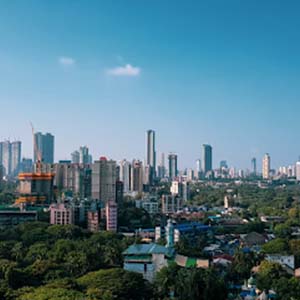
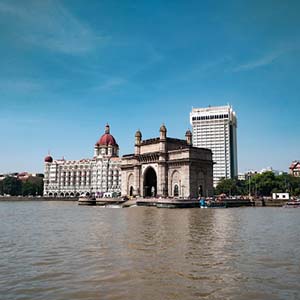
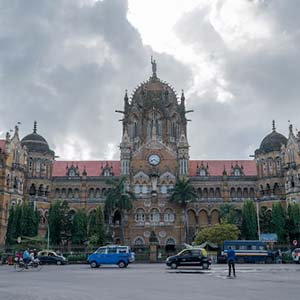
As India’s largest city and the fourth largest city in the world, Mumbai, formerly known as Bombay, has a lot to discover. UK residents will be surprised at the shared cultural connections between Mumbai and Britain, as well as the widespread use of English in the city. It is the most westernised city in India, meaning it is a blend of the ancient and the modern in one place. The 12.5 million residents experience a contrasting combination of grinding poverty and opulent wealth, as well as a mix of colonial architecture from the 19th century, 18th century wood carvings, gothic arches, and oriental domes. With all this, Mumbai has a very distinctive appearance.
The general living standards in Mumbai are relatively high despite the economic disparity present in the city. Pleasant residential areas are just minutes away from sidewalks crowded with the countless poor. Mumbai is also a centre of foreign trade for India and receives much US private investment. The extensive film industry in Mumbai often earns the nickname ‘Bollywood’.
If you are looking to relocate to Mumbai, it can be a lengthy immigration process. Gerson Relocation can help. Our range of relocation services is tailored to your needs to ensure you have everything you need in your new location. Get a free quote with us today.
Can I Move to Mumbai from the UK?
You can move to Mumbai from the UK with a business or employment visa, with Mumbai being one of the most modern Indian cities. However, make sure you research the region you are living in, as the city has a huge population and vastly different levels of wealth and living standards.
Public Transportation
Mumbai is kept moving by public transport. The awful traffic conditions mean that many people choose to commute via public transport rather than use their own private vehicles. Mumbai benefits from having a good, dependable public transportation network compared to other large cities in India.
Buses: Brihanmumbai Electric Supply and Transport (BEST) runs MMRConnect buses around the city of Mumbai and it’s suburban areas. These bus services usually run from 5:00 AM until midnight. These BEST buses may not be the best option, but they are extremely affordable transport options. There is also a train system for suburbs with 3 lines, consisting of the Western Line, Central Main Line, and Harbour Line.
Metro: The Mumbai Metro was first opened in June 2014 and further lines are still under construction. The open line at the moment runs between Versova and Ghatkopar. Metro users purchase tokens that are valid for 1 day’s travel or smart cards loaded with values or trip-based passes. These can be purchased at the Customer Care area or Ticket Issuing Machines (TIM) at metro stations. Cards can also be topped up on the Intacharge online feature. Trains run from 5:20 AM to 11:30 PM on weekdays, with trains running every 4 minutes at peak times or every 8 minutes at off-peak times.
Driving in Mumbai
As Mumbai is a hub for the Indian economy, lots of businesses have their headquarters here. Not to mention the many museums and galleries present in the city’s centre. Due to the amount of people accessing Mumbai every day, the traffic quickly becomes nightmarish. Peak hours can have you stuck for up to an hour, meaning you should leave plenty of buffer time before important events.
You should drive defensively and read up on the rules of the road. Notable ones include yielding to larger vehicles and allowing cows, as a holy animal in India, right of way. Monsoon season can bring huge flooding in and around Mumbai, causing huge problems with roads and traffic to be aware of. Cars, bikes, Rickshaws, and more all share the road, so be extremely aware of your surroundings at all times.
Expatriate Life in Mumbai
Many expats say that nothing can prepare you for moving to Mumbai before you arrive there, but that it is an easy place to assimilate. English is widely spoken around the city, both in social contexts and in work situations, meaning that there is little in the way of a language barrier. Gestures and mimes are usually received well, and a common understanding is easily reached.
The people of Mumbai promote a warm and gracious culture. Indian people are generally welcoming if not a little shy, meaning that many people find it easy to make friends and get help when needed.
Due to the amount of economic activity in Mumbai, there are many expatriates from countries all over the world. These will make up the majority of your social contacts when living in Mumbai. There are plenty of clubs and associations to join to make friends and network in Mumbai. Including the American Women’s Club, Mumbai Connexions, and the Humsafar Trust LGBTQ+ Organisation. Embassies usually host activities and meetings for their country’s citizens, so they are a good source of information and good place to meet people in similar situations.
Social Life in Mumbai
Entertainment in evenings in India consist of cultural events, festivals, discotheques, casinos, jazz concerts, and much more. In Mumbai, most of the active spots for nightlife are located at major hotels or in more exclusive suburbs. Due to this, there may be dress codes or codes of etiquette so check before you attend any events.
For socialising in the daytime, Mumbai is home to many galleries and museums. The National Centre for Performing Arts (NCPA) is a great place to watch live theatre. There are plenty of delicious restaurants for meals out too, many of which are listed on FourSquare.
As part of our services, Gerson Relocation offers cross-cultural training to help you make the most out of your time in Mumbai. Get a free quote for our international relocation services.

Finding Accommodation in Mumbai
When moving to Mumbai, you will be surprised to find that housing in Mumbai is some of the most expensive in the world and very difficult to obtain. Renting is recommended over buying property for foreigners, and more rental property is coming on the market all the time. Companies that transfer international employees to Mumbai often have long term leases on property for new arrivals to use. Bungalows and houses are rarely found available to rent so most people live in apartments with 1, 2, 3 or 4 bedrooms. By international standards, bathrooms and kitchens can be quite disappointing, and refurbishments are often required before moving in.
Housing Areas in Mumbai
Expats moving to Mumbai typically choose to live in 3 areas in South Mumbai or 2 areas in North Mumbai, listed below. There are good schools in most popular expatriate neighbourhoods, such as the Bombay International School.
South Mumbai consists of uneven land with urban areas sprawled across it, typically apartment-based living. Many apartments have a sea view thanks to it running along the seafront. Parks for exercise and children’s play as well as various recreation facilities are available. This area is also quite accessible from the city centre, despite traffic increasing the drive to around 20-45 minutes.
Cuffe Parade: This neighbourhood is fairly densely populated but is very close to commercial centres for shopping and facilities of every kind. International schools are also commonly found here, such as the American School.
Malabar Hill: Expatriates prefer to live in Malabar Hill due to the close proximity to international schools, including the French, German, and Russian schools. Malabar Hill is also close to good shopping facilities and spacious green areas. Apartment complexes typically have good security systems and intercoms.
Worli: Worli is located just 4 miles from Malabar Hill and the American School. Not all housing options will meet typical Western standards, however there is some moderately priced accommodation available here.
North Mumbai includes popular neighbourhoods among expatriates with young children due to the location of the new American School complex. These suburban areas are on a flatter area and contain mainly apartment living but also some bungalows available for rent. Terraced houses and single-family homes sometimes appear on the rental market so keep your eyes open. A park for joggers with a children’s play area, as well as the beach club and other recreational facilities, are also accessible from North Mumbai neighbourhoods.
Bandra: This housing area has good links to the American School, the local domestic airport, and the international airport. The Bombay central business district is just 10 miles away from Bandra, however traffic can mean the drive takes up to an hour. Apartments, bungalows, and houses, either free standing or semi-detached, are commonly found for rent here.
Juhu: This residential belt stretched from Bandra to Juhu close to the beach. It offers acceptable apartments, houses, and bungalows that are close to large shopping centres and hotels in the area. The secondary school campus of the American School is located just 6 miles away and the École Mondiale World School is also located in Juhu. The domestic and international airports are just 3 and 6 miles away respectively.
Short Term Housing in Mumbai
If moving to Mumbai, it may be a good idea to find temporary accommodation while searching for suitable housing arrangements. There are many local newspapers that feature agents specialising in finding temporary accommodation, such as the Hindustan Times on Sunday.
Serviced apartments were difficult to find one upon a time but are becoming more popular in Mumbai and the rest of India, often offered by luxury hotels. These are expensive options, however, and more affordable alternatives are difficult to find. Several agencies service individually-owned apartments to rent to corporations, which could be a more affordable option for short-term housing in Mumbai. Residence Hotels are also available, offering fitness facilities, transportation, and breakfast on site.
Gerson Relocation provides a serviced accommodations search to find short-term housing options in every country. Contact us to benefit from this and our other relocation services on your international relocation.
Interested in information on another country? Take a look at our other International Relocation guides.
Great customer Experiences start here

Very pleasent and helpful. Nothing too much trouble.
Mr M H moved from London, UK to Toronto, Canada
Very helpful and patient even when things got packed that we had to get out again!
Mr M E moved from Enfield, UK to Dorset, UK
Thanks to Graham, Nick and the entire crew!
Mr C D M moved from UK to Singapore
Friendly and helpful crew.
Ms T W moved from USA to Cambridgeshire, UK